Oregon State Parks Plugs a $14 Million Hole With Higher Fees, but a $1 Billion Repair Bill Still Looms
Oregon’s state park system has dug itself out of a $14 million hole. The bill went largely to the people who camp, park and picnic in it, and officials are warning that a far bigger problem, a maintenance backlog of roughly $1 billion, is still waiting.
The Oregon Parks and Recreation Department told the Oregon State Parks and Recreation Commission at its Nov. 17 meeting that it had stabilized its short term funding and closed the gap for the current two year budget cycle, which runs from July 2025 to June 2027, according to an agency news release issued Wednesday. The deficit sat inside a departmental budget of $408,083,371 for the biennium, The Oregonian/OregonLive reported.
How the hole was filled
Parks Director Lisa Sumption told The Oregonian the shortfall was driven by falling lottery revenue and rising costs, including higher pay for park employees. That shift has quietly changed who pays for Oregon’s parks. Lottery dollars once covered roughly half of the department’s budget and now account for 42%, while user fees have climbed from about 20% of the budget to 31%, according to the department.
The fixes were felt directly by visitors. In 2025 the agency raised parking and camping fees, added a surcharge on campsites for out of state visitors, adjusted its reservation rules, began charging for parking at 44 park sites that had previously been free, and eliminated two of the state’s three annual free admission days. From 2025 to 2026, the new fees brought in $13.2 million, the department said. The agency described it as the first significant inflation adjustment to some fees in 15 years.
“These changes, while hard, were absolutely necessary and they prevented us from closing parks,” Sumption said in an earlier year end statement published by The News Guard in Lincoln City. “We fixed our budget in the short term, and now we are turning our attention toward long term solutions that do not put the burden solely on our visitors.”
The $1 billion problem
The celebration has been muted. The department’s total maintenance needs come to roughly $1 billion, Sumption said, and ideally the agency would find about $100 million every biennium to chip away at them. Where that money would come from is not clear. “Our backlog and maintenance is our biggest challenge,” she told The Oregonian.
Officials expect fee revenue to plateau, leaving it well short of what is needed for major construction. Chief Financial Officer Sarah Head acknowledged the limits of leaning on visitors. “OPRD, like other agencies in Oregon, faces ongoing pressure to address rising costs,” she said in the release. “We also recognize fee increases limit access for visitors and cannot be our only way to address long term budget challenges.”
The department does not receive General Fund tax dollars, and it has warned that maintenance put off for too long can lead to service disruptions or campground closures, The News Guard noted. Parks still logged 2.2 million camping nights in 2026 through early November.
Bonds, transfers and a waterfall
A Legislative Revenue Workgroup, tasked with crafting long term funding strategies for the park system, delivered recommendations that highlight the agency’s need for general obligation bonds and direct it to review whether its programs and properties fit its mission. Sumption told The Oregonian the department plans to press lawmakers harder for bond money in the coming session. State parks received $50 million in general obligation bonds in 2021, but she said there is competition for that money.
Handing properties to other managers has become another tool. In April the state transferred the busy D River State Recreation Site to Lincoln City, which is paying for a new $6.7 million welcome center there. Fort Yamhill State Heritage Area went to the Confederated Tribes of Grand Ronde and Cascadia State Park to Linn County. Sumption said visitors often do not know, or care, who runs their favorite outdoor spots.
The commission also heard plans for Abiqua Falls, the popular waterfall east of Salem that it approved acquiring in September. Once the parks department completes the purchase in the next several months, the Oregon Department of Forestry will take over as long term manager, and the two agencies will plan improvements to make the site safer. The trail to the falls may close intermittently during construction.
What visitors should expect
The agency says it is making far fewer fee changes in 2027, though some adjustments are coming. Physical 12 month parking hang tags will be sold only online and cost $10 more, while digital annual permits stay at $60 for residents and $75 for nonresidents. Rates for yurts, cabins and reservable day use facilities rise about 5% on May 1, and Jessie M. Honeyman State Park near Florence will close for several months starting in January for utility and hazard tree work.
The commission next meets in Salem on Feb. 23 and 24, 2027. By then, lawmakers will be weighing whether Oregon’s lighthouses, campgrounds, trails and historic buildings get the bond money the department says it needs. “Every one of them need a little care and love,” Sumption said. “We hope that policymakers and others are going to help.”
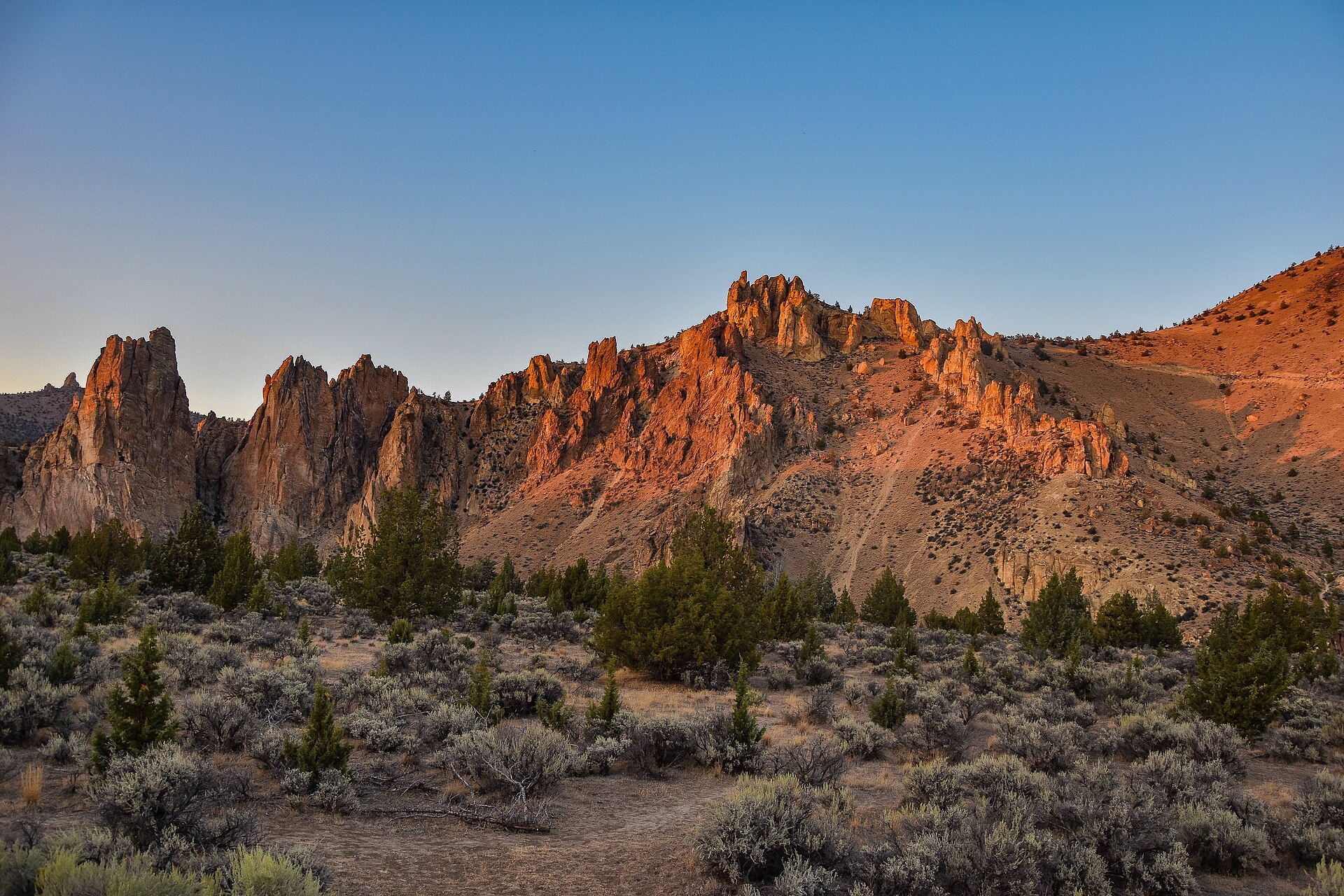
Featured image: Smith Rock State Park near Terrebonne, Oregon. Photo by Patrick Bösiger, via Wikimedia Commons, released under CC0 1.0 (public domain dedication).